
I’ve loved fantasy since my earliest childhood days of hearing stories read aloud. Growing up I lived on The Wind in the Willows, Godzilla, Norse mythology, science fiction, Frankenstein and the folklore of many cultures. In college, I discovered Tolkien, The Odyssey, C.S. Lewis, as well as Jung and Campbell, who served as guides to the often trackless realms of the other worlds.
If you follow fantasy literature for any length of time, you notice that authors who bring forth new visions are often followed by scores of knockoffs by writers looking for bandwagons to ride. Neil Gaiman is an exception to that rule; he sows his unique personal visions across traditional genres in a manner that can’t be imitated.
How would you follow the Hugo and Nebula award winning American Gods, 2001, a dark, modern day Iliad that pits old gods like Mr. Wednesday (Odin) against new deities like Media, the goddess of television? A year later, Gaiman published Coraline, sometimes compared to Alice in Wonderland for its unflinching look at the terrors of childhood and winner of Hugo and Nebula awards for best novella.

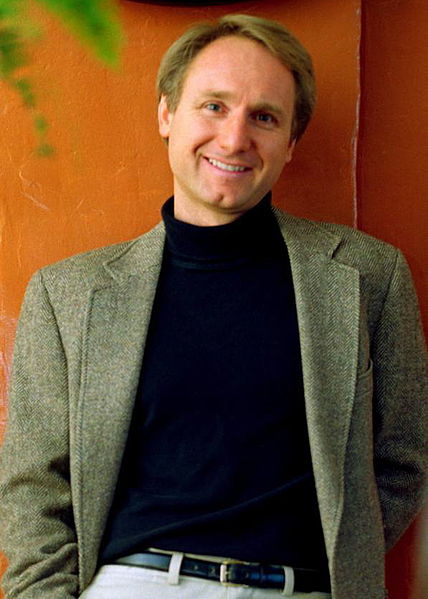
Neil Gaiman, 2009, by Kyle Cassidy. CC-BY-SA-3.0
In June, Gaiman released The Ocean at the End of the Lane, which he called “the most serious, dark, weird and personal thing I’ve ever written” in an interview called “The Illusionist” in the June 24, 2013, issue of Time.
Illusionist is the only possible title for the creator of Ocean, which began as a short story and grew. You reach the end of a nail biting ride with a man recalling a summer of terror and beauty that happened (or probably happened) when he was seven, and you realize that although you have been in his head and his heart for 180 pages, you don’t even know his name. You know the name of Lettie Hempstock, who lives at the end of the lane, an 11 year old girl who claims that her duck pond is really an ocean. You know Lettie’s name, but you don’t know what she is, and when you ask how long she has been 11, she gives you a smile but no answer.
Like Dr. Who’s TARDIS (Gaiman wrote an episode this year), Lettie’s ocean is bigger inside than it appears from without. When he ventures in, Gaiman’s protagonist says, “I saw the world I had walked from my birth and I understood how fragile it was, that the reality I knew was a thin layer of icing on a great dark birthday cake writhing with grubs and nightmares and hunger. I saw the world from above and below. I saw that there were patterns and gates and paths beyond the real. I saw all these things and understood them and they filled me, just as the waters of the ocean filled me.”
One of Gaiman’s numerous strengths is his ability to remember “extremes of horror and ecstasy that children experience.” He read books as a child and realized the adult writers had forgotten. He vowed not to, and The Ocean at the End of Lane proves that he has not.
Gaiman resists “fantasy” as a label, but for convenience I will use it to say this is one of the finest fantasies I have ever read. In the Time interview he also said, “I’m now more famous than I’m comfortable being.” Though I understand his concern, I have to say, “Dude, you brought it on yourself – learn to deal with it.”




 The First Gates